
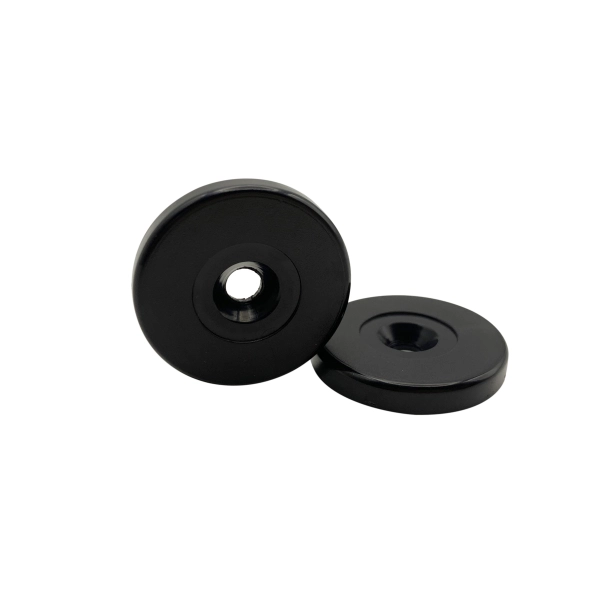
An RFID tag needs to match your operating environment, reader system, and identification requirements to deliver reliable performance. If you need a compact, durable identification token for access management, attendance recording, ticketing, or tracking, an HF ABS token offers a practical option. However, choosing the wrong frequency, chip type, or protocol can lead to compatibility issues and unnecessary replacement costs.
Apmor RFID Technology Co., Ltd. supplies the HF ABS Token with a 13.56MHz operating frequency, multiple chip options, and several available diameters. You can select a configuration based on your application and request customized dimensions when standard sizes do not meet your requirements. Before placing an order, review the specifications, confirm reader compatibility, and evaluate the expected reading distance for your installation.
What Is an HF ABS RFID Tag?
An HF ABS RFID tag is a radio-frequency identification device housed in an acrylonitrile butadiene styrene (ABS) casing. It communicates with a compatible RFID reader, allowing your system to identify a token without requiring direct contact.
The Apmor HF ABS Token operates at 13.56MHz and supports chip options including NTAG213, NTAG215, NTAG216, MF1S50 (S50), F08, and the I CODE SLI series. These options help you select a configuration according to your system’s memory, protocol, and application requirements.
Unlike adhesive RFID labels, a rigid ABS token provides a solid casing that you can handle repeatedly in suitable operating environments. Its practical value depends on the selected chip, reader, mounting conditions, and how you use the token.
HF ABS RFID Tag Specifications
Review these product specifications before selecting an RFID tag for your project.
| Specification | Apmor HF ABS Token |
|---|---|
| Product material | ABS |
| Operating frequency | 13.56MHz |
| Available diameters | 25mm, 30mm, 32mm, 40mm, 50mm |
| Customization | Customized sizes available |
| Chip options | NTAG213/215/216, MF1S50 (S50), F08, I CODE SLI series, or customized |
| Supported protocols | ISO14443A and ISO15693 |
| Memory options | 128 bytes, 144 bytes, 1 KB, etc., depending on configuration |
| Working temperature | -25°C to 60°C |
| Stated read range | 1–10m, depending on tag size and reader power |
Not every chip supports every protocol or memory configuration. Confirm the exact chip model, usable memory, and protocol compatibility with Apmor RFID before ordering. The stated 1–10m reading range is configuration-dependent and should be validated under your actual operating conditions.

How to Choose the Right HF RFID Tag
Selecting a suitable HF RFID tag involves more than comparing dimensions and prices. You should consider the following factors.
1. Match the Chip to Your System
Different chip families serve different technical requirements. For example, NTAG213, NTAG215, and NTAG216 are commonly used in NFC-related applications, while MIFARE-compatible and I CODE SLI options support different identification and system requirements.
- NTAG series: Consider these chips for compatible NFC interactions and data-related applications.
- MF1S50 (S50) or F08: Evaluate these options for compatible contactless identification systems.
- I CODE SLI series: Consider these for systems designed around the corresponding ISO15693 technology.
Always verify the exact chip and reader combination. A shared operating frequency does not automatically guarantee interoperability.
2. Select the Appropriate Token Size
Apmor offers diameters of 25mm, 30mm, 32mm, 40mm, and 50mm, with customized sizes available.
Smaller tokens may suit compact holders or space-constrained equipment, while larger tokens may offer more room for handling and integration. However, size alone does not determine reading distance; antenna design, reader power, chip characteristics, and installation conditions also matter.
3. Define Your Operating Conditions
The listed working temperature range is -25°C to 60°C. Check whether your installation stays within this range, especially in outdoor facilities, transport environments, or temperature-controlled workplaces.
If your application involves moisture, chemicals, impact, or continuous outdoor exposure, request additional information about casing protection and environmental testing rather than assuming the ABS housing meets a particular IP rating.
HF ABS RFID Token vs. Other RFID Products
The right product depends on how you plan to deploy it. Compare the HF ABS Token with other common RFID formats before making a purchasing decision.
| Product type | Typical use | Main consideration |
|---|---|---|
| HF ABS RFID token | Attendance, ticketing, access-related identification | Rigid casing and multiple size options |
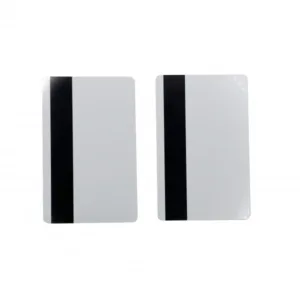
| RFID card | Employee identification and contactless access | Familiar card format and wallet-sized design |
| RFID label or inlay | Item identification and inventory management | Suitable attachment method and surface compatibility |
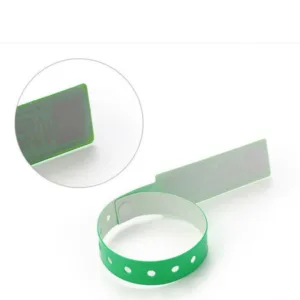
| RFID wristband | Events, healthcare, and visitor management | Wearability and retention during use |
These products are not automatically interchangeable. Confirm frequency, protocol, reader compatibility, physical format, and environmental requirements before choosing a replacement.
How to Implement an RFID Tag in Your Workflow
Follow these steps to reduce compatibility problems during deployment.
- Define the application. Identify whether you need attendance recording, payment-related identification, ticket validation, tracking, or another use case.
- Check the reader specifications. Confirm that your existing reader supports 13.56MHz operation and the selected chip’s protocol.
- Choose the chip and size. Match the required functionality to an available chip and token diameter.
- Test a sample. Evaluate reading consistency, response time, and performance at the intended distance and mounting position.
- Confirm the order configuration. Agree on chip model, dimensions, customization requirements, quantity, and any applicable testing documentation before production.
This process helps you identify technical issues before committing to a larger order.
Frequently Asked Questions
1. What is the frequency of the Apmor HF ABS RFID tag?
The product operates at 13.56MHz. You should still confirm the selected chip’s protocol and compatibility with your RFID reader.
2. Can I order a custom-size ABS RFID token?
Yes. Apmor lists standard diameters of 25mm, 30mm, 32mm, 40mm, and 50mm, and customized sizes are available. Contact the company to confirm the dimensions and production requirements for your project.
3. What is the reading distance of this RFID tag?
Apmor lists a reading range of 1–10m, depending on tag size and reader power. Actual performance can vary with the chip, reader antenna, installation environment, and system configuration. Test a sample with your intended equipment before finalizing your design.
Conclusion
Choosing the right RFID tag starts with matching the chip, frequency, protocol, size, and reading requirements to your application. The Apmor HF ABS Token offers 13.56MHz operation, multiple chip options, five listed standard diameters, and customized sizing for attendance, ticketing, tracking, and other identification applications.
If you are evaluating an ABS RFID token for a new project or an existing system, contact Apmor RFID Technology Co., Ltd. with your reader model, preferred chip, required dimensions, application, and estimated order quantity. This information will help the team assess compatibility and recommend a suitable configuration before you place an order.




Add comment