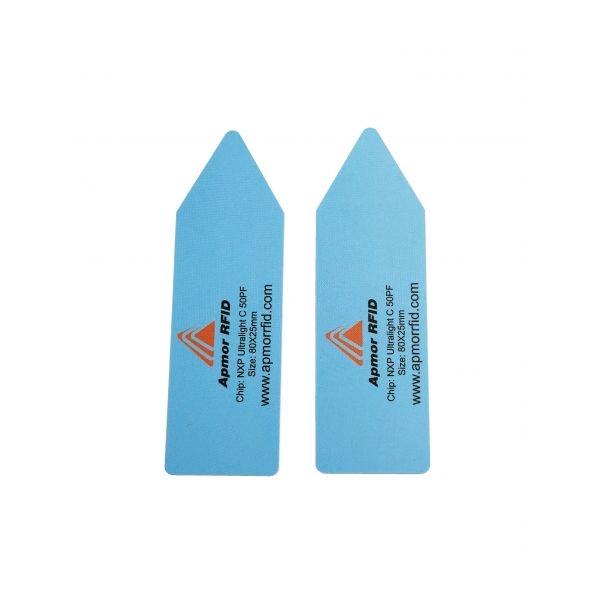
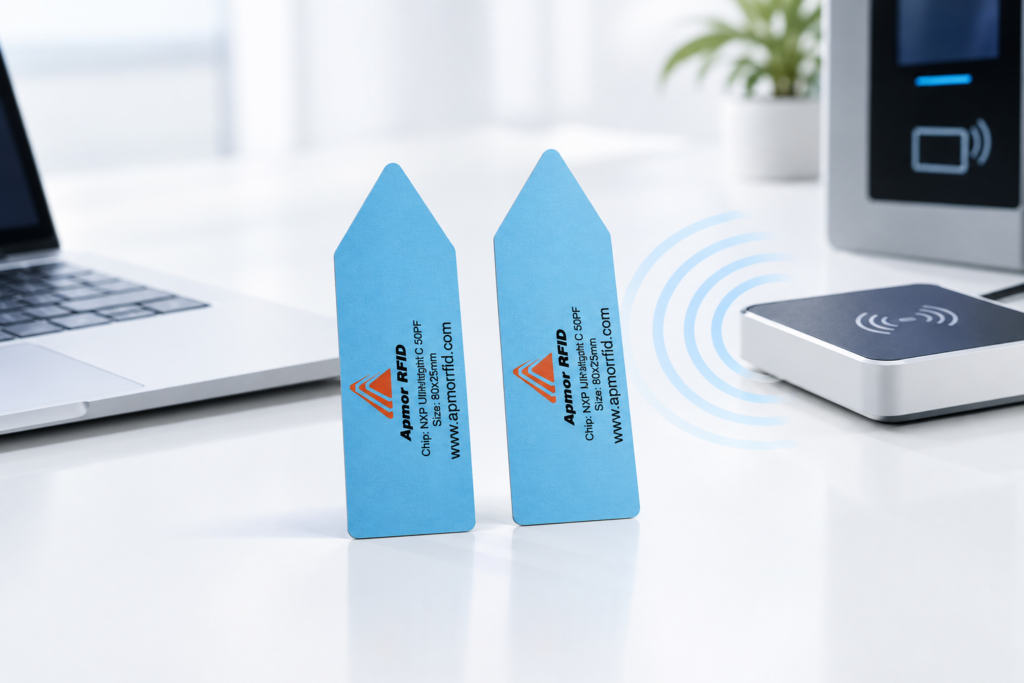
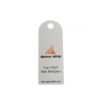
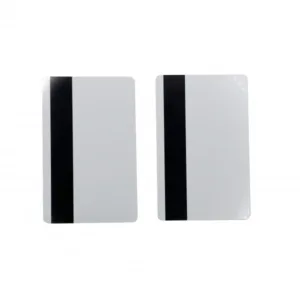
When you need to rfid card buy, a standard-sized card may not fit your equipment, workflow, or application. A custom PVC RFID card gives you more flexibility when you need a specific shape, compact dimensions, printed identification, or integrated data encoding. The Apmor RFID PVC Non-standard Card measures 80×25 mm and operates at 13.56 MHz, making it suitable for applications such as public transportation, loyalty programs, event ticketing, and car parking. You can also customize the size, chip configuration, printing, and identification features according to your project requirements.
Why Choose a Custom RFID Card?
A conventional RFID card usually follows a standardized format. However, your application may require a different physical form factor. For example, a transportation system may need a narrow card that fits a specific holder, while an event organizer may require customized graphics and serial numbers for ticket management.
Apmor RFID Technology Co., Ltd. focuses on RFID tags and smart cards. Founded in 2022, the company has a team of 50+ people and serves customers across 10 countries. Its stated service scope includes customized RFID products, technical support, global supply chain management, and after-sales service.
With a custom RFID card, you can configure several elements based on your operational requirements:
- PVC material for a lightweight and durable card structure
- 80×25 mm standard product size with customized dimensions available
- 13.56 MHz operating frequency
- NXP Ultralight C 50PF and other chip options
- Memory options including 128 bytes, 144 bytes, and 1 KB
- Thermal printing and hot-stamp finishing
- Barcode, serial number, and UID number options
- Magnetic strip integration when required
- Data retention of up to 10 years
- Programming cycles of ≥100,000
RFID Card Buy: Key Specifications to Compare
Before you buy an RFID card, you should compare the chip, frequency, memory, dimensions, and reading environment instead of choosing based only on price. The following specifications help you determine whether this PVC non-standard card fits your application.
| Feature | Apmor PVC Non-standard RFID Card | Typical Project Requirement |
|---|---|---|
| Material | PVC | Durable plastic card material |
| Size | 80×25 mm | Standard or customized |
| Frequency | 13.56 MHz | HF RFID applications |
| Chip | NXP Ultralight C 50PF, etc. | Based on reader compatibility |
| Memory | 128 bytes, 144 bytes, 1 KB, etc. | Based on data requirements |
| Data retention | Up to 10 years | Long-term identification |
| Programming cycles | ≥100,000 | Repeated data programming |
| Reading range | 0–5 m* | Depends on reader and antenna |
| Customization | Printing, barcode, UID, serial number, etc. | Branding and identification |
*The actual reading distance depends on the RFID reader, antenna, card configuration, and operating environment.
Where Can You Use an 80x25mm RFID Card?
The compact format makes this card useful when a conventional CR80-sized card does not match your application. You can select the chip and personalization options according to your system requirements.
Public Transportation
Transportation operators can use RFID cards for passenger identification, fare management, and access-related processes. The 13.56 MHz frequency makes the card suitable for compatible HF RFID systems.
Loyalty and Membership Programs
Retailers, clubs, and service businesses can use customized RFID cards to connect physical cards with customer identification systems. You can add printed branding, serial numbers, or other identifiers to simplify card management.
Event Ticketing
For events, you can combine RFID technology with printed ticket information. UID numbers, serial numbers, and customized graphics can help you organize individual cards and support automated identification.
Car Parking
Parking operators can integrate RFID cards into compatible access or identification systems. A customized 80×25 mm format can be useful when your existing card holder or system requires a non-standard size.
How to Buy the Right RFID Card
Before placing an RFID card order, follow these steps to reduce compatibility problems and unnecessary customization costs.
- Define your application. Determine whether you need the card for transportation, loyalty, ticketing, parking, or another RFID application.
- Check your RFID reader. Confirm the supported frequency, chip type, and communication requirements.
- Select the physical size. Choose 80×25 mm or provide your required customized dimensions.
- Confirm memory requirements. Match the available memory to the amount of information your system needs to store.
- Specify personalization. Decide whether you need thermal printing, hot stamping, barcode numbers, serial numbers, UID numbers, or magnetic strips.
- Request a sample. Test the card with your actual reader and antenna before moving to larger-volume production.
- Confirm production details. Discuss quantity, artwork, encoding requirements, packaging, delivery, and technical support with Apmor.
FAQ
1. Can I customize the size of this RFID card?
Yes. The listed product size is 80×25 mm, and Apmor indicates that customized dimensions are available. You should provide your required dimensions and application details before production.
2. Which chip does this RFID card use?
The listed available chip includes NXP Ultralight C 50PF, with other chip options available. The correct choice depends on your reader, memory requirements, application, and system compatibility.
3. What is the reading range of this RFID card?
The listed reading range is 0–5 m, but the actual distance depends on the RFID reader and antenna. Your installation environment and system configuration can also affect performance, so sample testing is recommended.
Conclusion
If you need to rfid card buy for a specialized application, the Apmor PVC Non-standard Card 80×25 mm gives you a configurable option beyond conventional card dimensions. With 13.56 MHz operation, multiple memory options, NXP Ultralight C 50PF support, ≥100,000 programming cycles, and customization for printing and identification, you can adapt the card to transportation, loyalty, event ticketing, and parking projects. Apmor RFID Technology Co., Ltd., founded in 2022, provides customized RFID products and technical support for customers in multiple markets.
CAT
Before ordering, send Apmor your required card dimensions, RFID reader model, chip preference, memory requirements, artwork, and estimated quantity. The Apmor team can then help you confirm compatibility and determine the appropriate RFID card configuration for your project.


Add comment