
Long entry lines, lost tickets, and slow manual verification can quickly damage the visitor experience. Whether it is a crowded music festival, a water park during summer, or a hospital managing patient flow, traditional identification systems often create delays that affect both staff efficiency and customer satisfaction.
That is one reason more operators are moving toward rfid bands as part of their daily operations. Instead of relying on paper tickets, plastic cards, or printed lists, RFID wristbands allow guests and staff to move through controlled areas quickly while giving operators better visibility over attendance, payments, and access activity.
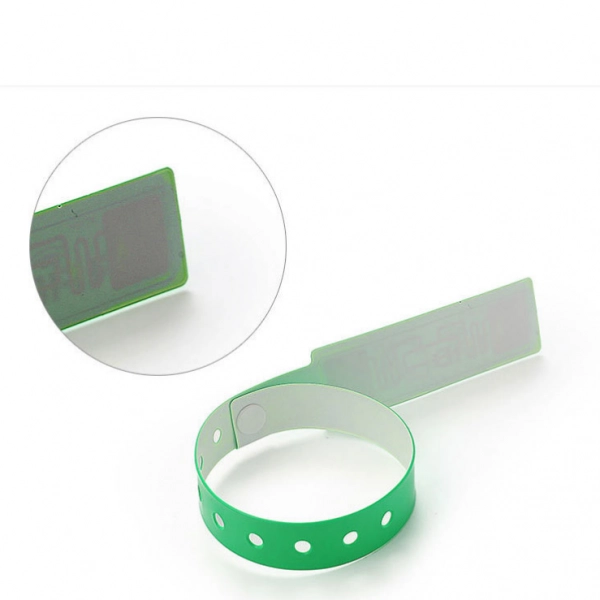
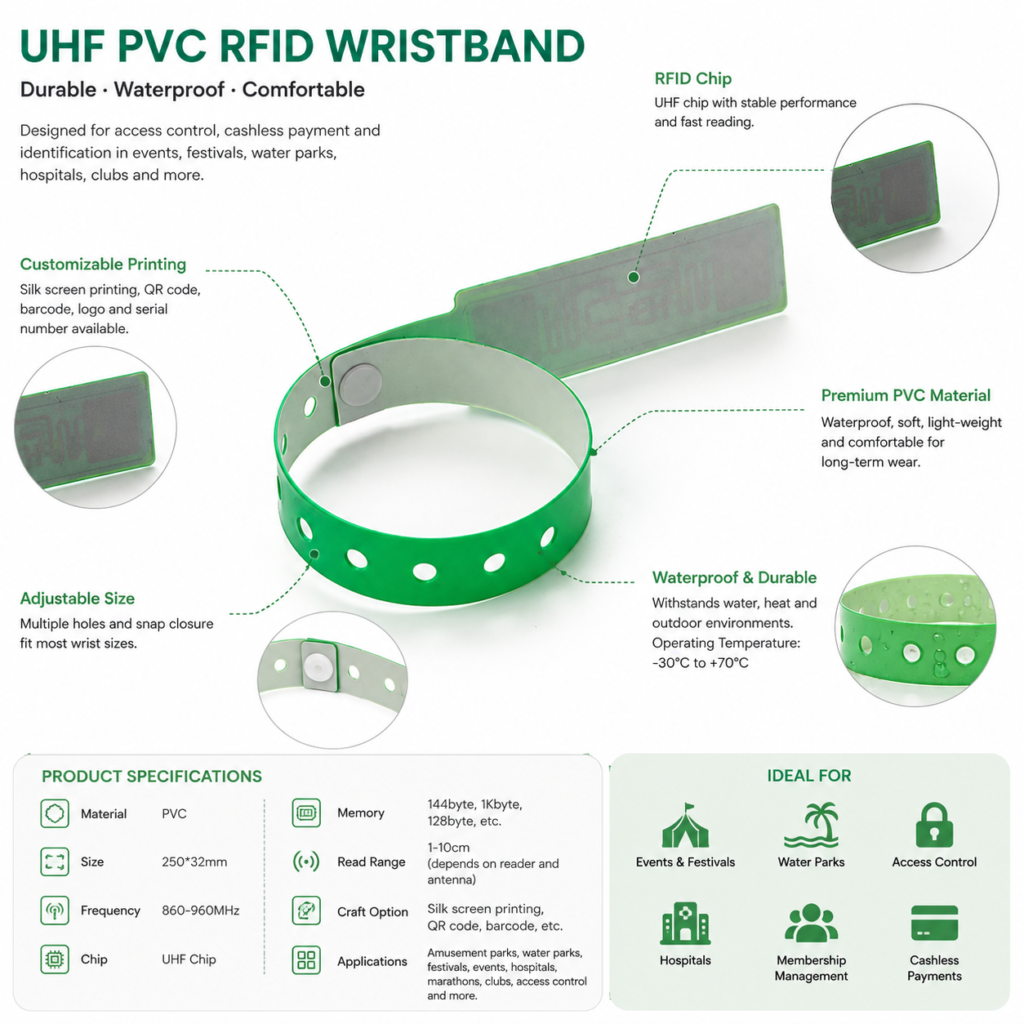
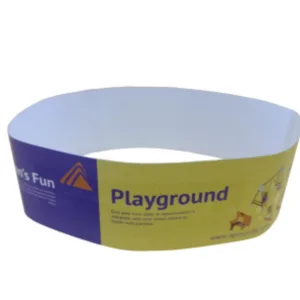
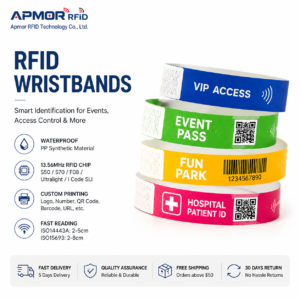
The Apmor UHF PVC Wristband is designed for environments where speed, durability, and consistent performance matter. Built with waterproof PVC material and equipped with UHF chip options, the wristband supports everything from access control to membership management without adding complexity to existing systems.
Why Traditional Ticket Systems Often Slow Operations Down
Many venues still use barcode tickets or manual verification because the setup appears familiar and inexpensive. However, these systems usually become inefficient once visitor numbers increase.
Paper tickets tear easily, especially in outdoor environments. Barcode scanners require direct alignment and slow down when guests arrive in large groups. Plastic membership cards are frequently lost or forgotten, which creates extra work for front-desk staff.
RFID wristbands reduce many of these problems because the chip can be scanned quickly without physical contact. Staff spend less time checking credentials, while guests move through entrances more naturally.
For busy venues, even a few seconds saved per visitor can significantly improve traffic flow.
How RFID Wristbands Improve Daily Management
RFID technology is no longer limited to large stadiums or transportation systems. Today, many smaller venues and service providers use RFID wristbands because the technology has become easier to integrate and more affordable to deploy.
The Apmor UHF PVC Wristband supports multiple operational needs in a single wearable device.
Reliable Performance in Demanding Environments
Outdoor venues often face heat, water exposure, and continuous physical activity. Standard paper or laminated cards rarely hold up well in these conditions.
The waterproof PVC structure helps the wristband remain functional in environments such as:
- Water parks
- Swimming pools
- Marathons
- Music festivals
- Outdoor training events
For operators searching for waterproof RFID bands for water parks, durability matters just as much as scanning speed. A damaged wristband can interrupt guest access and create unnecessary service delays.
The Apmor wristband operates in temperatures from -30°C to +70°C, making it suitable for both indoor and outdoor use throughout the year.
Faster Entry and Access Control
One of the biggest advantages of RFID access control is reduced waiting time.
Instead of manually checking tickets or scanning barcodes one by one, visitors can pass through checkpoints with a quick tap or short-range scan. This creates a smoother entry process during peak hours.
RFID access control wristbands for clubs and entertainment venues are especially useful during concerts or private events where crowd movement changes rapidly throughout the day.
Faster entry also improves security because staff can focus more on monitoring activity instead of handling repetitive ticket checks.
Simplified Cashless Payments
Many event operators now combine RFID technology with payment systems to reduce cash handling and shorten purchase queues.
RFID bands for cashless payment systems allow guests to buy food, drinks, or merchandise using the wristband linked to their account or balance. This setup often improves transaction speed and reduces the need for visitors to carry wallets or phones throughout the event.
For festivals and amusement parks, cashless systems can also help reduce theft risks and simplify end-of-day accounting.
Common Industries Using RFID Wristbands
RFID wristbands are now used across many industries because they solve practical operational problems without requiring complicated user training.
Festivals and Live Events
Large events need fast guest verification and reliable attendance management. RFID tracking wristbands for events help organizers monitor access points while reducing the chance of counterfeit tickets.
Because the wristbands can also include branding elements, many organizers use custom UHF PVC RFID bands as part of the overall event identity.
Popular customization options include:
- Logo printing
- QR codes
- Color coding
- Sequential numbering
- Barcode integration
This combination of branding and functionality makes RFID wristbands more versatile than standard paper tickets.
Healthcare and Patient Identification
Hospitals and healthcare facilities increasingly use reusable RFID wristbands for hospitals because patient identification accuracy is critical.
Traditional handwritten tags can become difficult to read or misplaced during treatment. RFID wristbands simplify patient verification while helping staff access records more efficiently.
Reusable wristbands also reduce replacement frequency in long-term care environments.
Sports and Marathon Events
Marathon organizers often need a reliable way to track participants across multiple checkpoints. RFID wristbands for marathon events help automate attendance recording and timing collection while reducing manual tracking errors.
Compared with paper bib systems alone, RFID technology provides faster data collection and improves operational accuracy during large races.
Membership and Loyalty Programs
Gyms, clubs, and private venues use RFID wristbands to simplify member access and improve customer convenience.
Instead of carrying separate membership cards, users simply wear the wristband for check-in, locker access, or account verification.
This small operational change often improves the customer experience while reducing administrative workload.
What Buyers Usually Compare Before Choosing RFID Bands
Not all RFID wristbands are designed for the same environment. Buyers typically compare materials, chip compatibility, durability, and customization flexibility before making a decision.
PVC vs Silicone Wristbands
Silicone wristbands are flexible and comfortable, but PVC wristbands usually offer sharper printing quality and stronger resistance to wear in commercial environments.
Durable RFID wristbands for amusement parks often use PVC because they handle moisture and frequent use more effectively.
UHF vs HF Technology
Different RFID systems use different frequencies depending on operational requirements.
HF systems are common in payment applications, while UHF wristbands are preferred when faster scanning and broader reading capability are required.
For venues handling large visitor volumes, UHF technology often improves scanning efficiency during busy periods.
Disposable vs Reusable Models
Short-term events may prefer disposable wristbands, while long-term facilities usually benefit more from reusable RFID wristbands because they reduce ongoing replacement costs.
Reusable models also support sustainability goals by lowering material waste over time.
Why Apmor RFID Technology Focuses on Practical RFID Solutions
Since its establishment in 2022, Apmor RFID Technology Co., Ltd. has focused on developing RFID products that balance performance, durability, and operational simplicity.
Rather than treating RFID wristbands as simple accessories, the company designs products that fit real-world environments where reliability matters every day.
Its UHF PVC Wristband supports customization, stable RFID performance, and flexible integration across entertainment, healthcare, sports, and membership management applications.
Conclusion
As venues and organizations continue looking for faster, more reliable identification systems, rfid bands are becoming a practical replacement for paper tickets, plastic cards, and manual verification processes.
From access control and guest tracking to cashless payments and membership management, RFID wristbands help simplify operations while improving the overall user experience. The Apmor UHF PVC Wristband combines durability, customization, and dependable RFID performance in a format built for modern operational environments.
For operators managing large crowds, recurring memberships, or fast-moving events, RFID wristbands offer a more efficient and scalable way to handle identification and access management without adding unnecessary complexity.


Add comment