When you compare an rfid tag bracelet with a keyfob, the right format depends on how users carry and interact with the RFID device. Wristbands work well for events, hotels, pools, and temporary access, while a keyfob with a metal ring fits everyday use such as access control, parking, loyalty programs, and membership systems. If you need a compact RFID device that stays attached to a key set or lanyard, an HF epoxy keyfob can offer a practical alternative. Apmor RFID Technology provides customized RFID products for different applications, including RFID wristbands, keyfobs, tags, labels, and smart cards.
RFID Tag Bracelet vs. HF RFID Keyfob
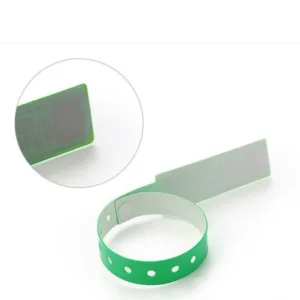
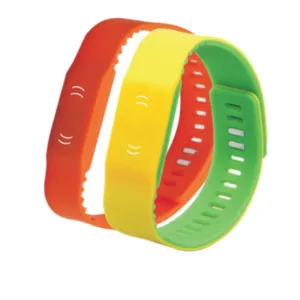
An rfid tag bracelet normally uses a wearable form factor. You can issue it to visitors, guests, members, or event participants who need repeated contactless identification without carrying a card.
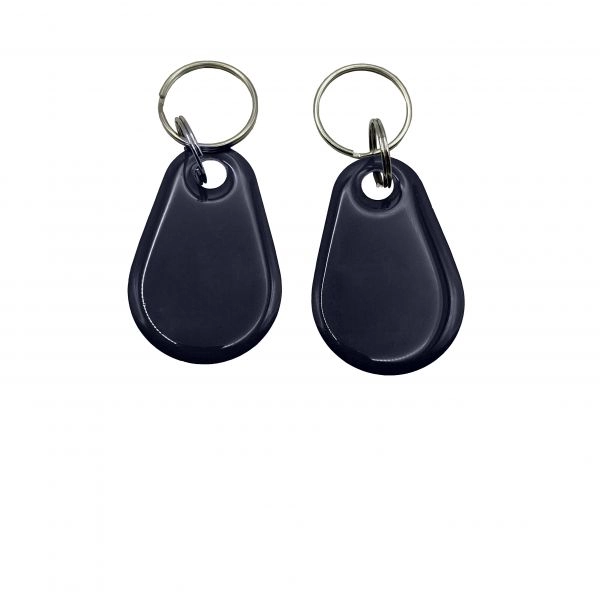
A keyfob follows a different usage model. The Keyfob-shaped HF Epoxy Card with Key Ring from Apmor RFID combines an RFID-enabled PVC body with a metal key ring, allowing you to attach it directly to keys, bags, access cards, or other everyday items.
| Feature | RFID Tag Bracelet | HF RFID Keyfob |
|---|---|---|
| Form factor | Wrist-worn | Key ring / compact fob |
| Typical use | Events, hotels, pools | Access, parking, loyalty |
| Carrying method | Around the wrist | Attached to keys or bags |
| Frequency options | Depends on chip | 13.56MHz available |
| Customization | Printing and design | Printing, UID, serial number and more |
| Best for | Temporary or wearable identification | Long-term everyday identification |
Therefore, if your users already carry keys or access devices, an RFID keyfob with key ring can provide a more convenient physical format than a bracelet.
HF RFID Keyfob Specifications
The Apmor RFID keyfob uses a compact 45 × 35 × 1 mm format, with customized dimensions available for specific projects. Its listed operating frequency is 13.56MHz, making it suitable for HF RFID applications.
The available chip options include:
- MIFARE S50
- NTAG213
- EM4200
- T5577
- Alien H3
- Impinj M3/M4
- Other chip configurations based on project requirements
The product specification lists 10-year data retention and at least 100,000 programming cycles. The stated reading range is 0–5 m, although the actual range depends on the reader, antenna, chip, installation environment, and system configuration.
For identification and branding, you can also request production features such as:
- Thermal printing
- Hot stamping
- Barcode numbers
- Serial numbers
- UID numbers
- Customized dimensions
- Customized RFID chip configuration
These options allow you to align the physical keyfob with your access control, membership, transportation, or parking system.
Where Can You Use an RFID Key Ring?
A compact RFID key ring works particularly well when you want users to keep identification close at hand.
Access Control
You can connect an RFID keyfob to compatible access control systems for offices, residential buildings, hotels, facilities, or restricted areas. Users simply present the programmed fob to a compatible reader.
Parking Systems
For parking facilities, an RFID key fob for parking can provide a compact identification method for registered users. The key ring format also makes it easier for drivers to keep the credential with their vehicle keys.
Loyalty and Membership
Retailers, clubs, gyms, and membership organizations can use customized RFID keyfobs to identify members and connect physical credentials with digital records.
Events and Transportation
Although an rfid tag bracelet may be more suitable for temporary event access, a keyfob can work when users need a reusable credential that remains attached to personal belongings.
How to Choose the Right RFID Format
Before ordering your RFID products, follow these steps:
- Define the application. Decide whether you need access control, parking, loyalty, transportation, event management, or another RFID application.
- Choose the form factor. Select a bracelet for wearable use or a keyfob when users need a compact credential attached to keys or bags.
- Confirm the frequency. For this product, the listed frequency is 13.56MHz.
- Select the chip. Match the chip with your existing reader and software system.
- Confirm physical specifications. Review dimensions, material, printing requirements, key ring configuration, and environmental conditions.
- Test compatibility. Before mass production, test samples with your actual readers and application system.
- Finalize customization. Confirm UID, serial numbers, barcode, printing, and other production requirements.
This process reduces compatibility problems and helps you select an RFID format that fits your actual workflow.

Why Work With Apmor RFID Technology?
Apmor RFID Technology was founded on October 24, 2022, and focuses on RFID labels, RFID tags, smart cards, wristbands, keyfobs, and related products. The company states that it has a team of 50+ people and serves customers across 10 countries.
Its product range covers multiple RFID formats, including RFID wristbands, RFID keyfobs and tokens, RFID inlays and labels, RFID cable-tie tags, RFID laundry tags, RFID on-metal labels, RFID windshield tags, and non-standard cards.
For custom projects, Apmor provides product customization, technical support, supply chain services, and after-sales support. You can therefore discuss the chip, dimensions, material, printing method, and application requirements before production rather than selecting a standard format without compatibility testing.
FAQ
1. Is an RFID keyfob the same as an RFID tag bracelet?
No. An RFID keyfob is designed to attach to keys, bags, or other items, while an RFID bracelet is worn around the wrist. Both can provide contactless RFID identification, but their physical applications differ.
2. What frequency does this HF RFID keyfob use?
The listed frequency is 13.56MHz. Apmor also lists several chip options, including MIFARE S50 and NTAG213. You should confirm chip and reader compatibility before placing a production order.
3. Can I customize the RFID keyfob?
Yes. The listed customization options include dimensions, thermal printing, hot stamping, barcode numbers, serial numbers, UID numbers, and different chip configurations. Contact Apmor with your reader model and application requirements to determine the appropriate configuration.
Conclusion
Choosing between an rfid tag bracelet and an HF keyfob starts with how your users will carry and use the RFID credential. For wearable access at events, hotels, or recreational facilities, a bracelet can be practical; for everyday access, parking, loyalty, and membership applications, a compact keyfob with a metal key ring can offer a convenient alternative. Apmor RFID Technology can provide customized RFID products based on your required chip, frequency, dimensions, printing, and application.
CTA
If you are sourcing an RFID keyfob with key ring, send Apmor your application, reader frequency, preferred chip, dimensions, and estimated quantity. The team can help you review the product configuration and determine whether the 13.56MHz HF epoxy keyfob is suitable for your RFID system.

Add comment